
Why Occupied Buildings Need Tenant-Aware Minor Works Delivery
Why minor works in occupied buildings demand more than technical competence: access, communication, presentation, and close-out all shape the outcome.
Common setting
Occupied residential and mixed-use assets
Key factor
How the work is delivered, not just what is fixed
FM benefit
Fewer complaints and cleaner close-out
Minor works often sit in the awkward space between a quick repair and a major project. They are rarely large enough to justify heavy process, but they still happen in buildings where residents, tenants, and managing teams expect things to be handled properly.
That is why tenant-aware delivery matters. The technical task might be straightforward, but the experience around it is not. Access, timing, communication, cleanliness, and the quality of the close-out all shape whether the works feel controlled or disruptive.
Pull quote
“Minor works become operationally major when the delivery ignores access, communication, or the people using the building around the task.”
That is why tenant-aware delivery protects standards as much as it solves issues.
Project gallery
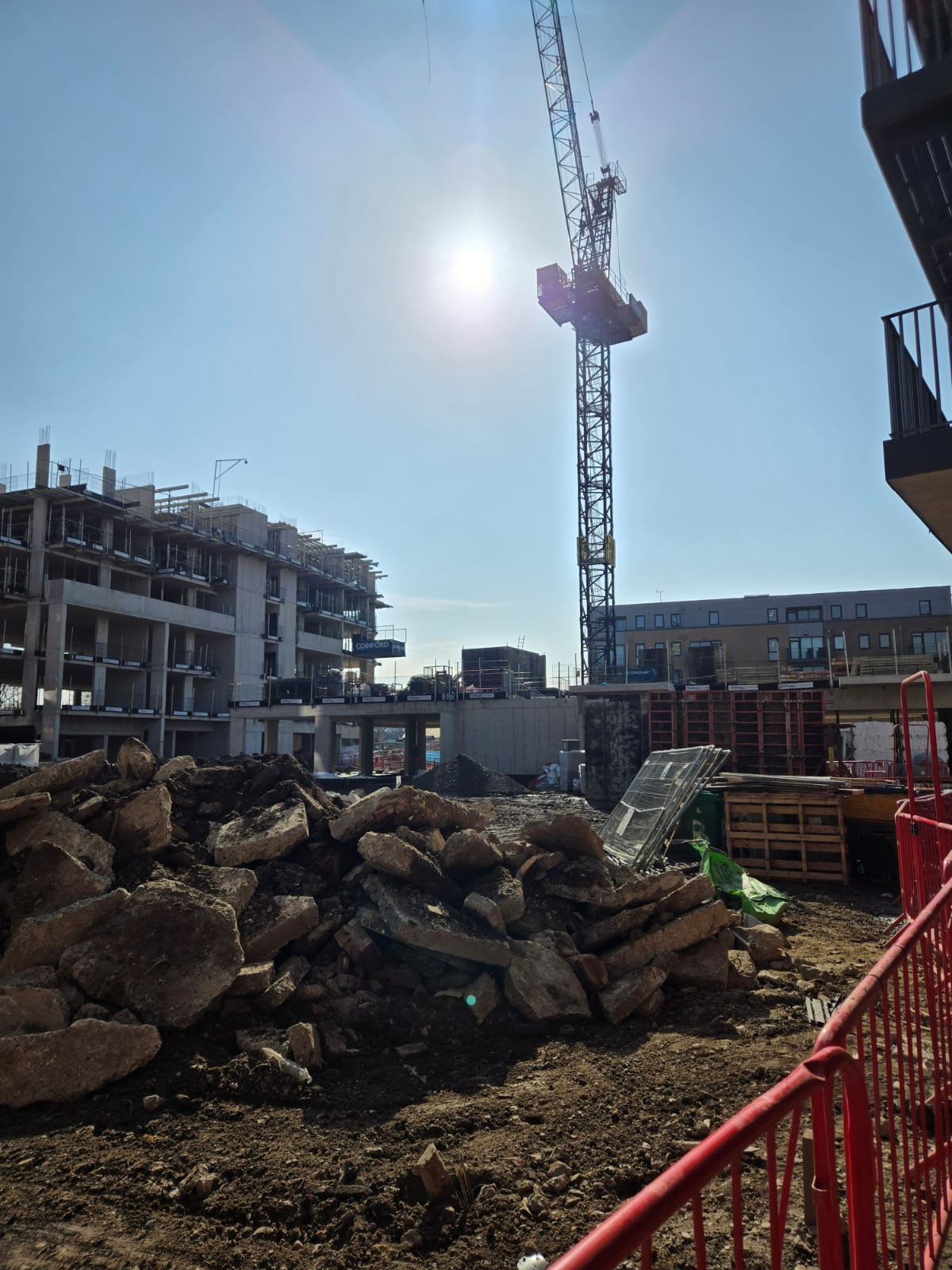
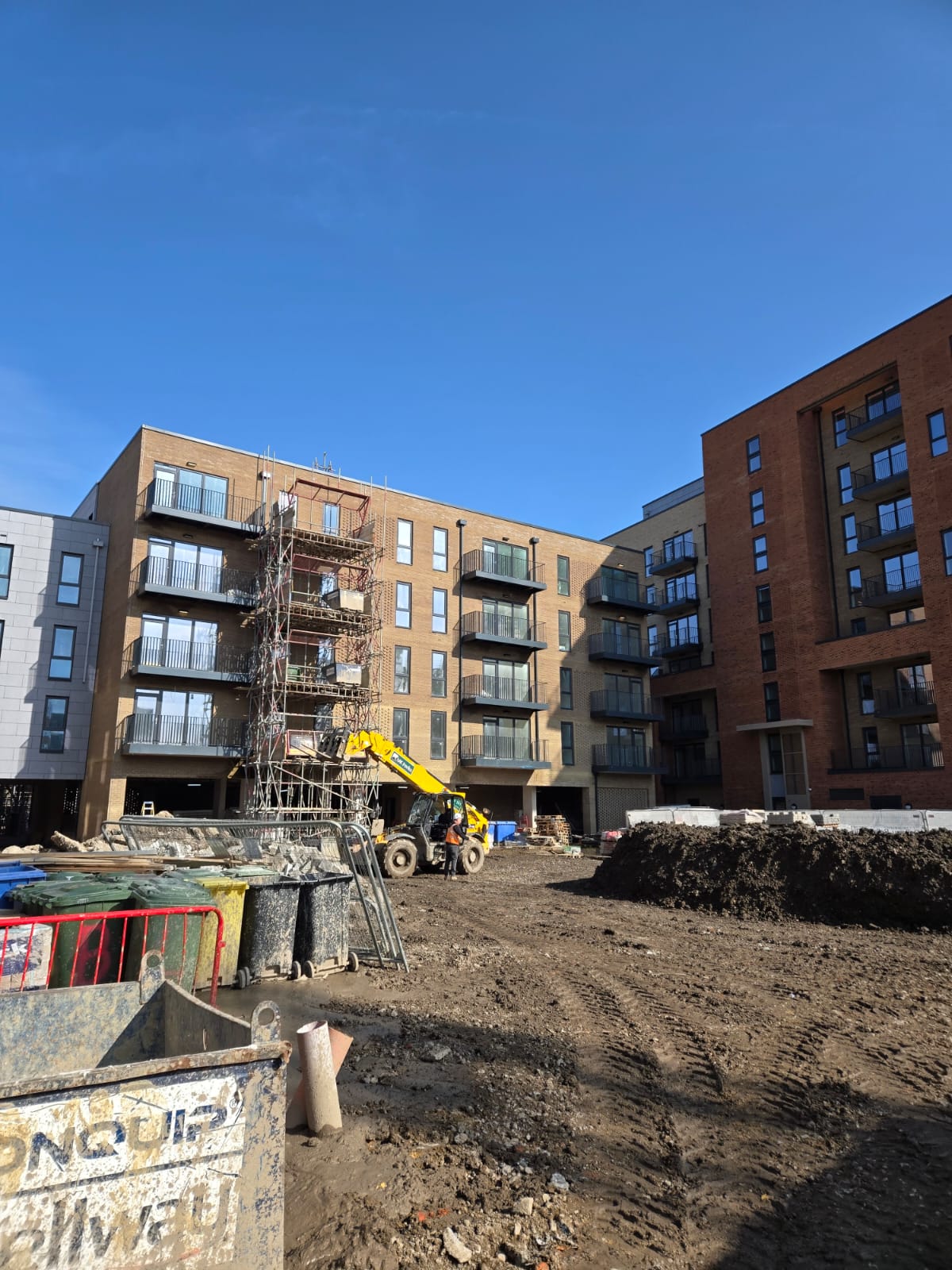
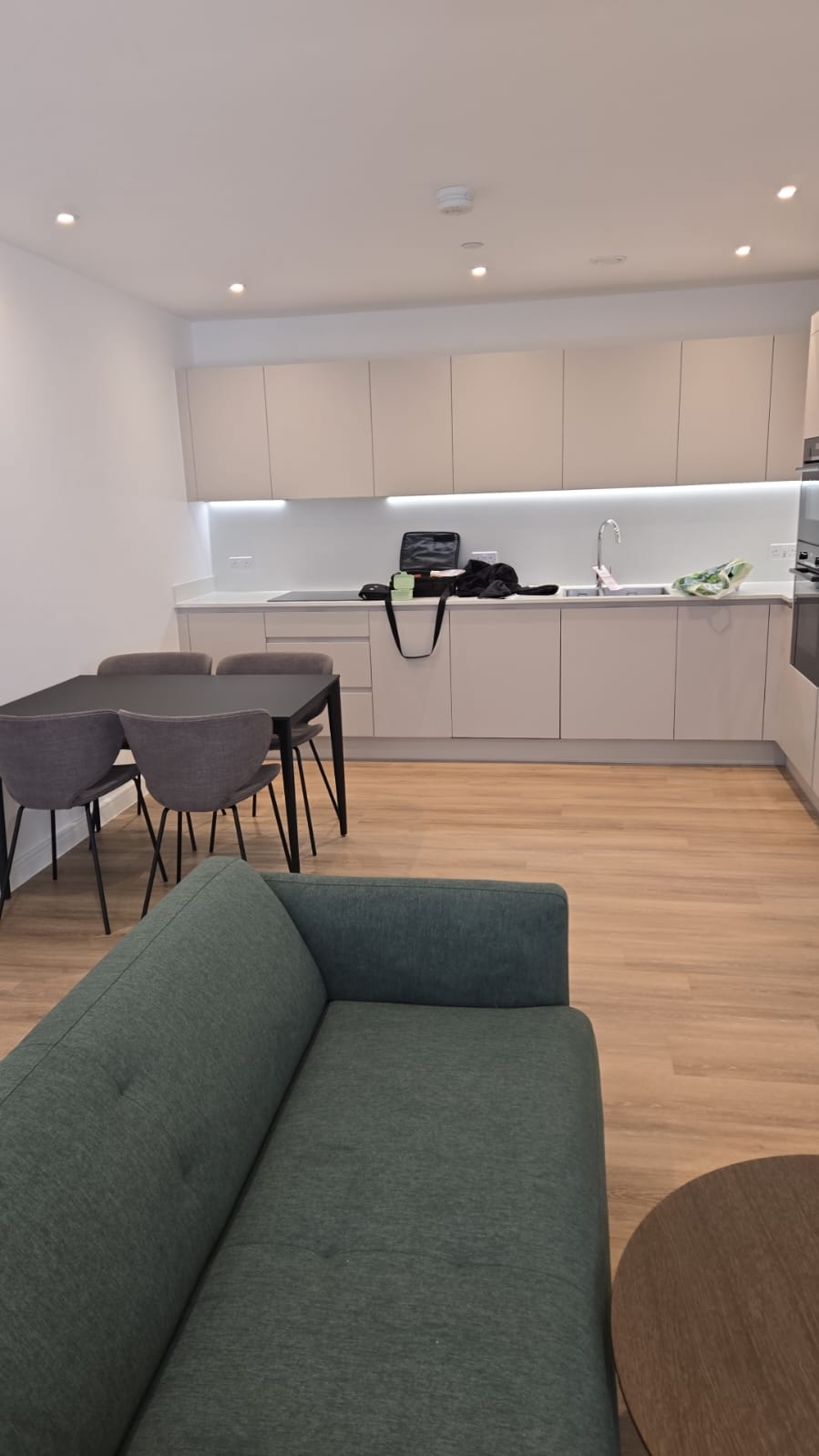
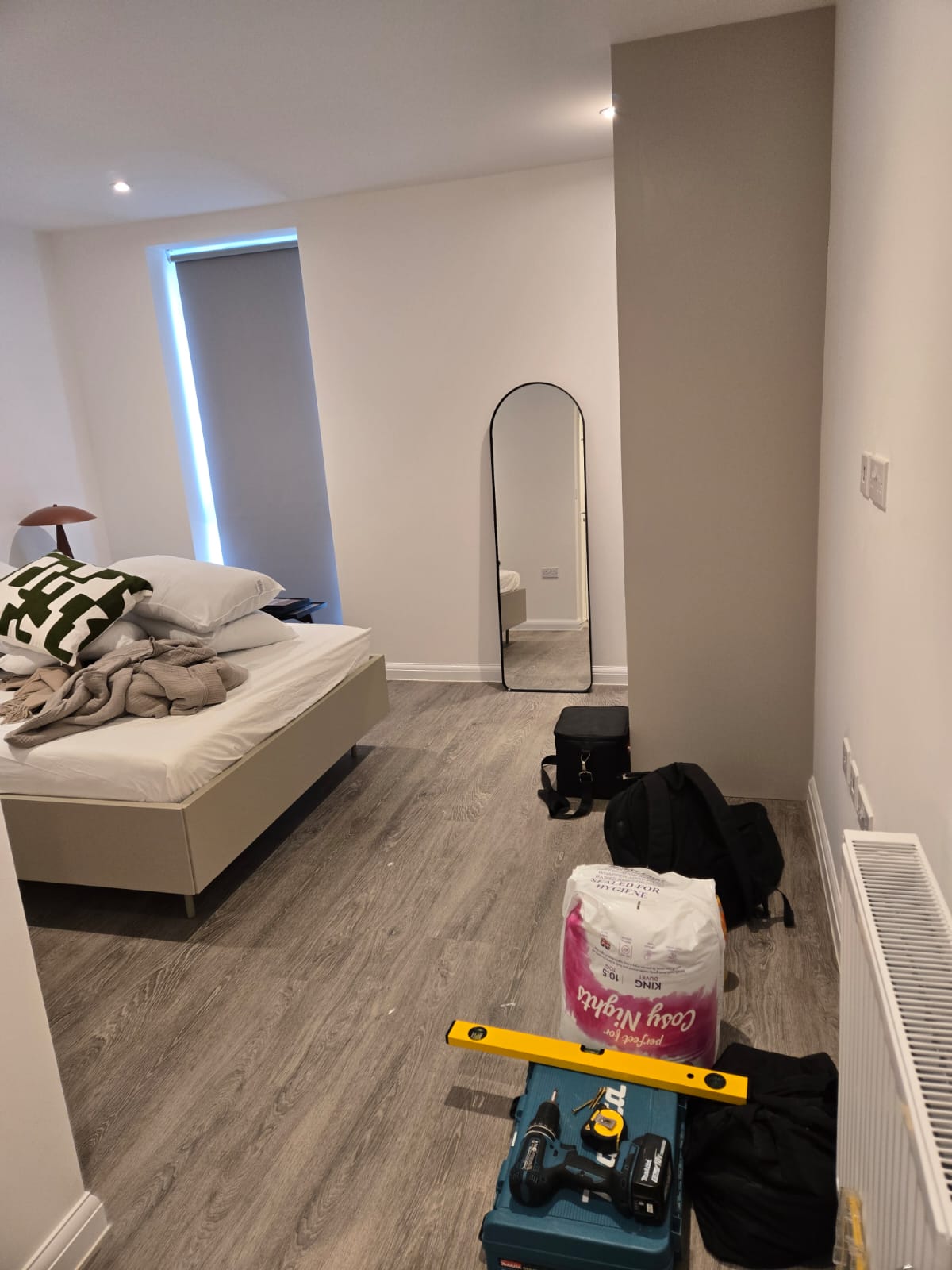
Occupied-building delivery in practice
Full-width hero imagery, working detail, and finished spaces from the same programme.
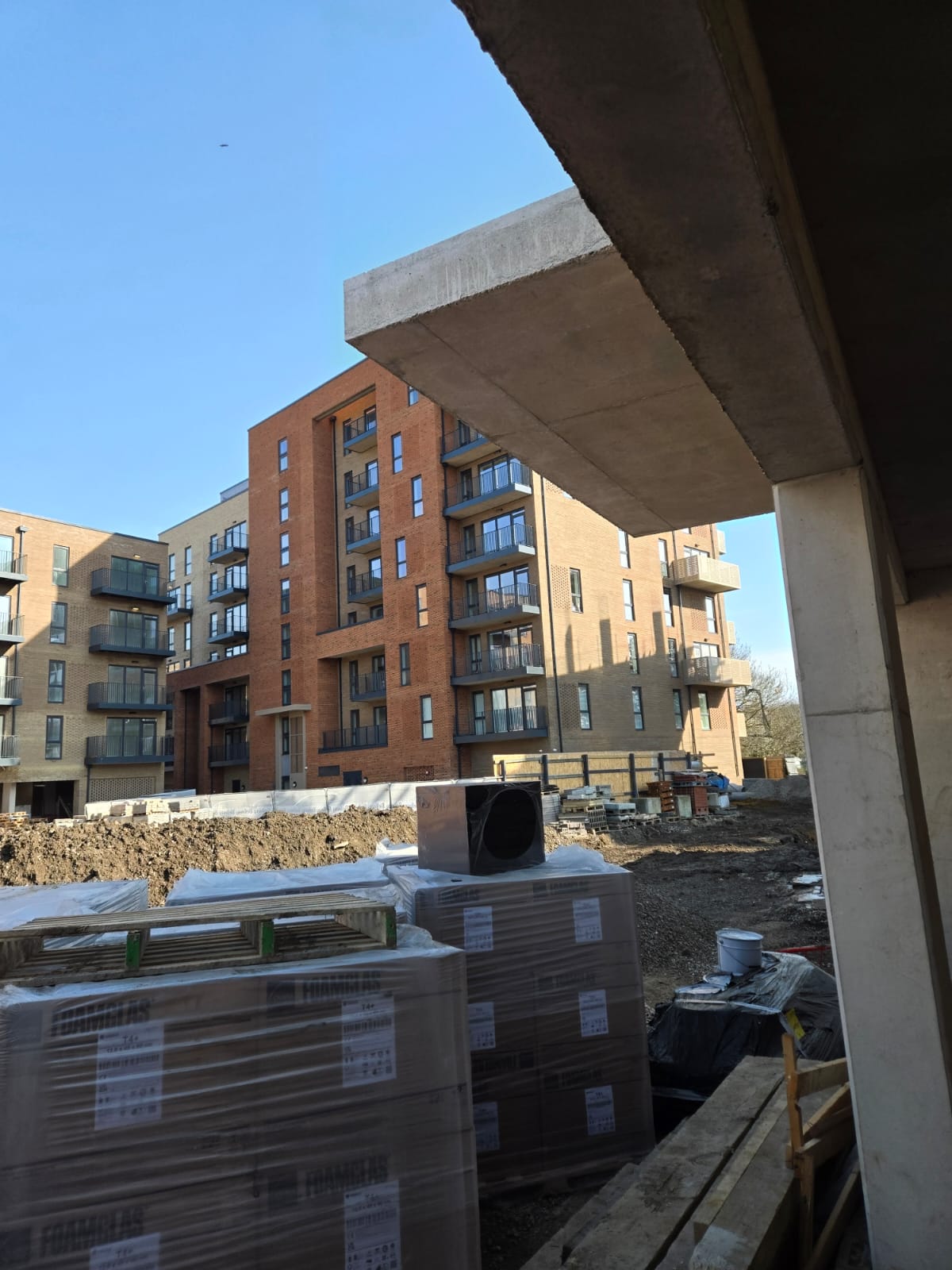
Minor works still shape the building experience
In an occupied property, residents and occupiers do not categorise works the way an operations team does. They experience disruption, access needs, communication quality, and the visible finish left behind. A small task can still have an outsized impact if it is delivered poorly.
That is why tenant-aware delivery matters. It keeps the task proportionate while still respecting the fact that people are living, working, or moving through the building while the work happens.
Access and timing are often the real constraint
Many minor works fail because the physical task was difficult. They fail because access was unclear, appointments were missed, or the right person was not in the right place at the right time.
Good support recognises this early. It treats access as part of the job, not an afterthought. That makes attendance more efficient and reduces the chance of repeat visits that frustrate both residents and management teams.
- Confirm access assumptions before attending
- Communicate time windows clearly where appointments are needed
- Close the loop quickly if follow-up attendance is required
Presentation and close-out matter more than many teams expect
A task is not really complete in an occupied building if the space is left untidy, the next step is unclear, or the FM team has to re-interpret what happened from scraps of information.
Tenant-aware delivery finishes properly. The area is left in good order, the status is reported clearly, and the management team receives enough context to move forward without extra chasing.
This is what makes support scalable across a portfolio
Portfolio teams need consistency more than heroics. When minor works are handled calmly and predictably across different buildings, managers can trust the process and residents get a better experience.
That is what turns small works delivery into a genuine operational asset. The work is not only completed. It is completed in a way that reduces friction across the rest of the management operation.
Highlighted checklist
What tenant-aware minor works delivery should include
- Clear access planning before attendance
- Professional conduct in resident and occupier-facing environments
- Clean, presentation-aware close-out
- Useful reporting so FM teams know exactly what happened on site
Conclusion
Minor works in occupied buildings are never just about the technical task. The delivery around the task determines whether the issue feels resolved or merely shifted.
When the support team is tenant-aware, the result is smoother access, fewer complaints, cleaner close-out, and less management friction across the portfolio.
Related articles
Continue the journal.
Planning support across occupied buildings?
Smart Corpo Ltd supports FM companies, managing agents, and portfolio teams with practical on-site delivery, occupied-building awareness, and dependable communication.