
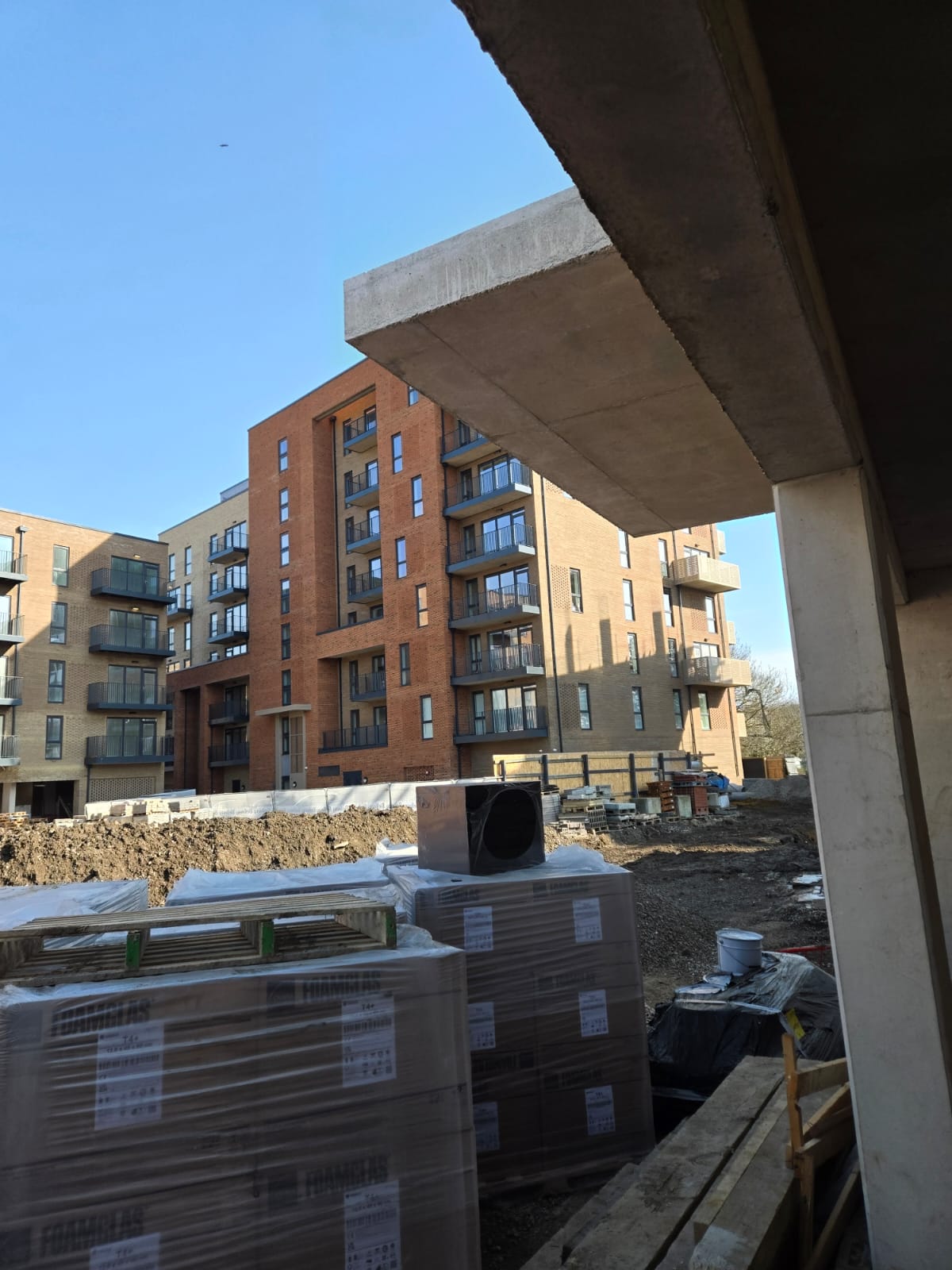
How FM Teams Scale Reactive Support Across Multi-Tenant Buildings
A practical look at how facilities management teams use supplementary support to keep reactive issues moving across occupied residential and mixed-use buildings.
Best fit
Occupied residential, BTR, and mixed-use buildings
Why it works
Fast attendance plus useful site reporting
Operational value
Helps FM teams protect service levels during spikes
Reactive maintenance in a multi-tenant building is rarely just about fixing the issue itself. The pressure comes from how quickly the site is changing around the problem: residents are asking for updates, access windows are limited, contractors need direction, and portfolio teams are trying to keep service levels stable across several properties at once.
That is why many FM teams use supplementary operational support rather than waiting for problems to stack up. The right support partner does not create another layer to manage. They reduce friction by attending reliably, communicating clearly, and helping close out smaller issues before they expand into bigger complaints or delays.
Pull quote
“Reactive support only helps if it reduces pressure for the FM team. Attendance without clarity just creates another problem to manage.”
The practical difference is not speed alone. It is speed with control.
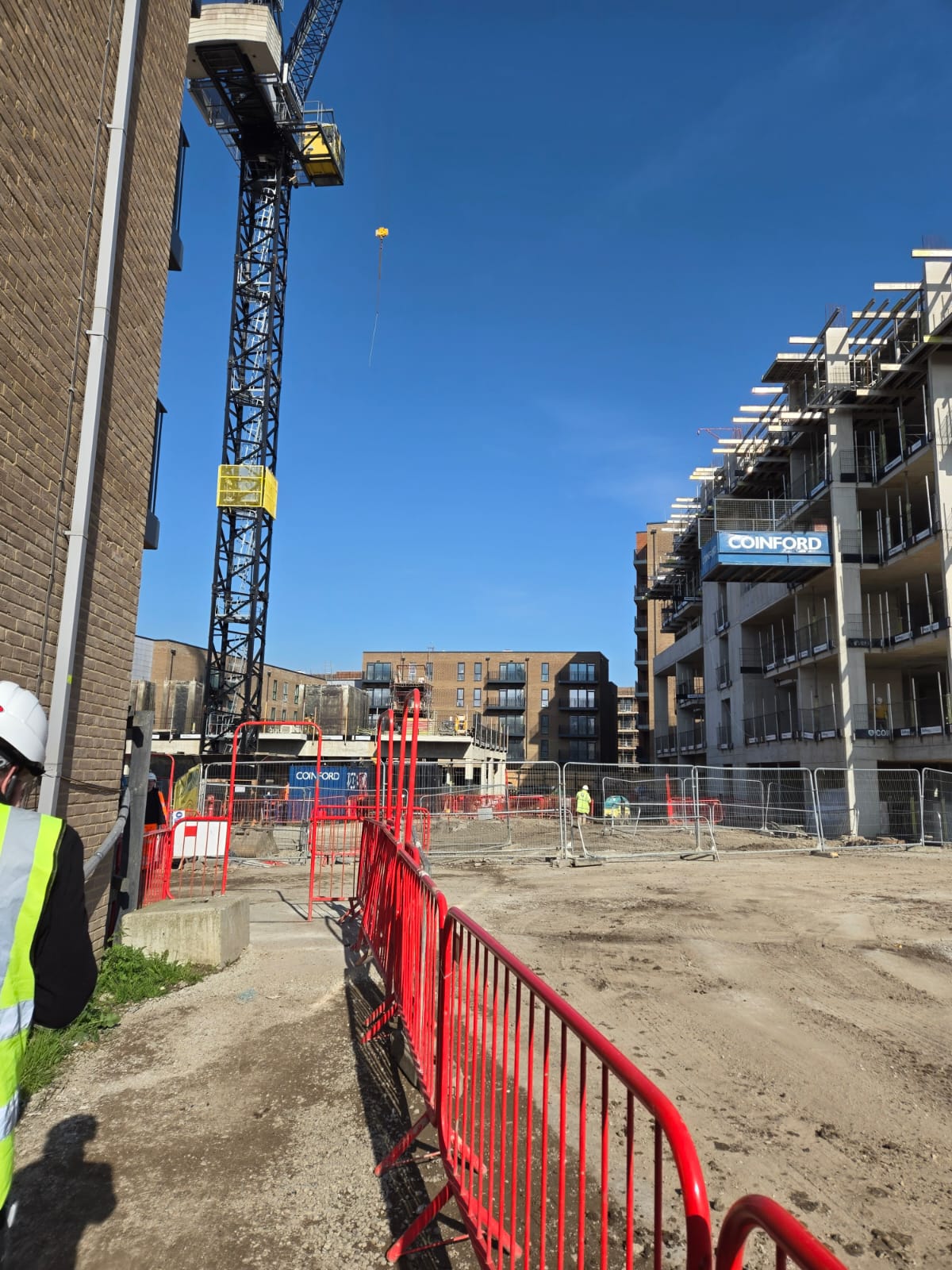
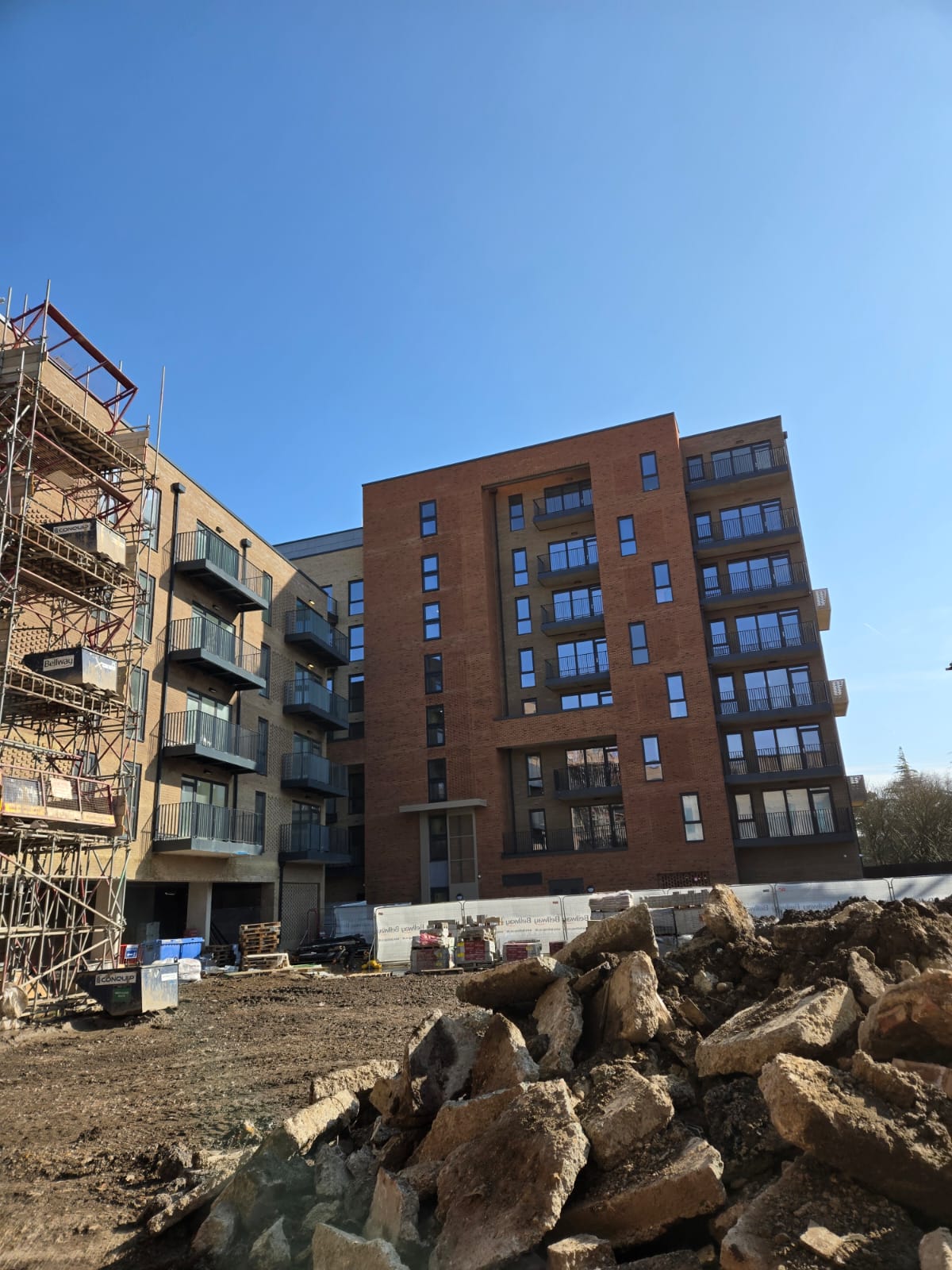
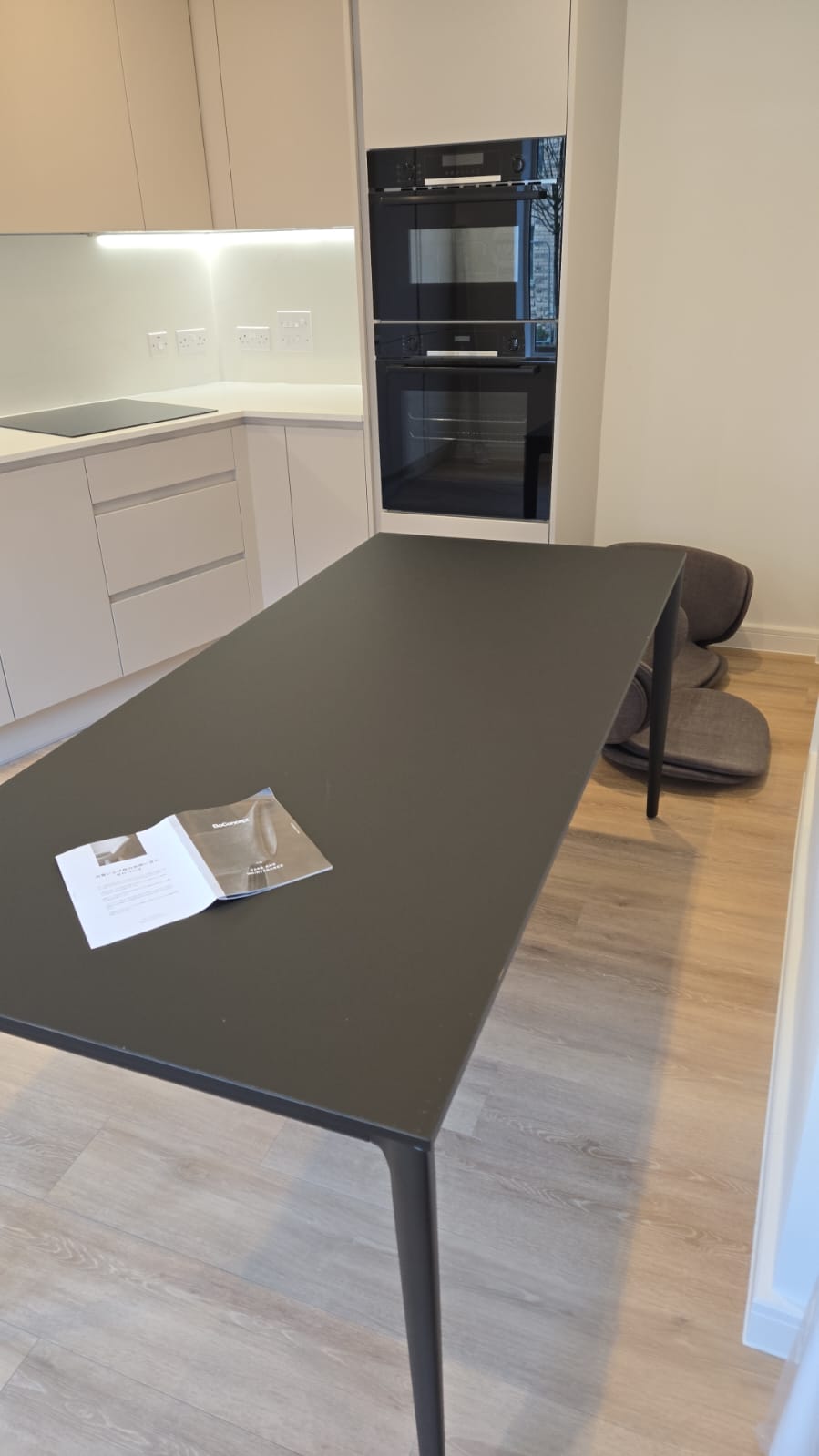
Project gallery
Reactive support in real multi-tenant environments
Full-width hero imagery, working detail, and finished spaces from the same programme.
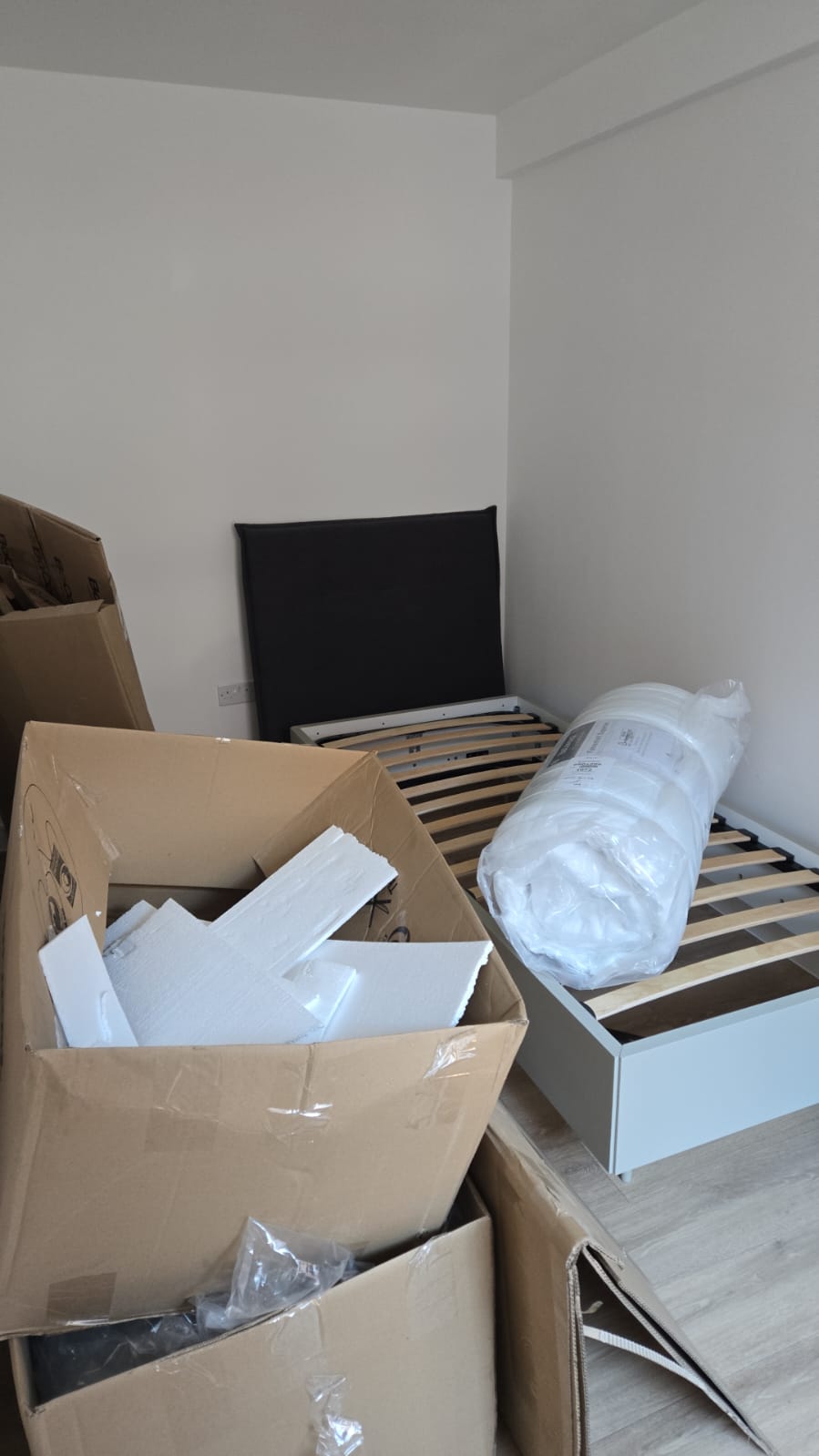
Reactive demand rarely arrives one issue at a time
In managed buildings, reactive demand tends to cluster. A small access issue can sit alongside a resident complaint, a follow-up from a contractor visit, and another site request in a different part of the portfolio. What stretches internal teams is not just volume. It is the operational switching cost between unrelated issues that all feel urgent.
Supplementary support helps when it absorbs that practical site load. Instead of every item waiting for an over-stretched manager to organise it, the FM team gains a dependable attendance resource that can get eyes on site, deal with smaller items directly, and confirm what genuinely needs escalation.
- Treat reactive support as an operational resource, not just a labour stopgap
- Prioritise attendance that feeds back usable information
- Use overflow support to protect response times during spikes
Occupied buildings need more than a technical fix
The same repair can land very differently depending on how it is handled. In occupied buildings, professionalism, communication, and access coordination shape the experience for residents and occupiers as much as the technical outcome.
That matters because FM teams are judged on how smoothly problems are handled, not just whether they eventually get resolved. Good supplementary support understands this and works in a way that protects the building experience while still keeping the task practical and efficient.
Reporting quality decides whether support reduces or increases admin
One of the biggest differences between useful support and frustrating support is what happens after the visit. If the FM team gets vague updates, they end up re-chasing the same issue and recreating the story internally.
If they get clear notes on attendance, findings, immediate actions, and recommended follow-up, decisions become much easier. That is what makes reactive support scalable across a portfolio instead of becoming another inbox problem.
- Confirm what was attended and when
- Note what was resolved on site and what still needs action
- Keep updates concise enough for portfolio managers to act on quickly
The strongest FM support feels quiet in the background
The goal of supplementary support is not to become the centre of the operation. It is to help the existing FM team stay ahead of pressure with less friction. When support is working properly, service stabilises, site issues move faster, and managers spend less time chasing the basics.
That kind of quiet operational reliability is what makes a support partner valuable across multiple buildings and across the full year, not just on the busiest day of the month.
Highlighted checklist
What to look for in reactive overflow support
- Reliable attendance in occupied residential and mixed-use environments
- Teams that understand access, tenant impact, and live-site professionalism
- Useful reporting that helps FM managers decide next actions quickly
- Flexible deployment that can be scaled when portfolio pressure rises
Conclusion
Reactive support at portfolio level is really about operational control. The fix matters, but the surrounding coordination matters just as much.
When FM teams have a dependable support partner in place, they can respond faster, reduce backlogs more intelligently, and maintain better service standards across occupied buildings.
Related articles
Continue the journal.
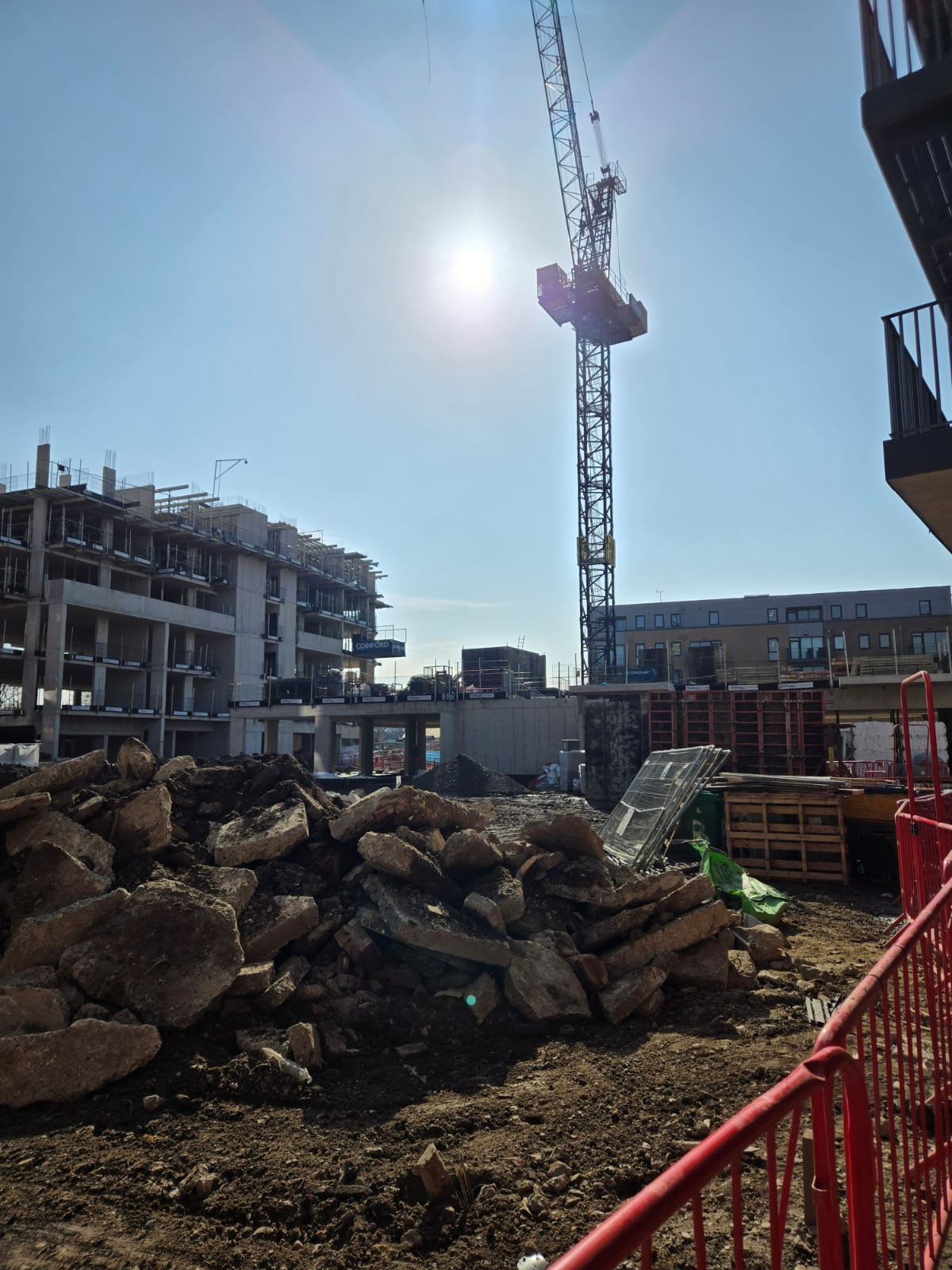
Planning support across occupied buildings?
Smart Corpo Ltd supports FM companies, managing agents, and portfolio teams with practical on-site delivery, occupied-building awareness, and dependable communication.